
Blog
Where Does Your Furniture Really Come From? What to Know About Timber Provenance and Sustainability
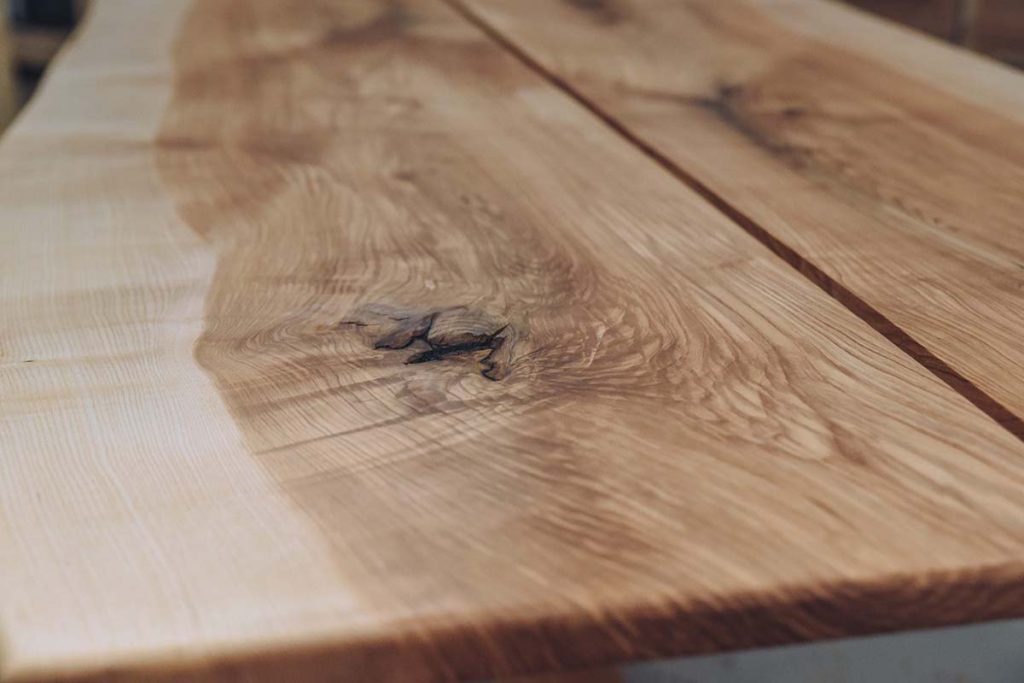
When choosing a piece of furniture, it’s natural to ask where the wood was grown and how it was sourced. Timber provenance — the story of a tree from forest to furniture — matters for environmental impact, quality and durability.
In this article we’ll explain:
- What timber provenance means
- Why it matters for sustainability
- How to identify responsibly sourced wood
- How these choices affect furniture longevity
What Is Timber Provenance?
Timber provenance refers to where wood comes from and how it was harvested — from the forest it grew in to the workshop where it becomes furniture.
Provenance includes:
- The geographical origin of the wood
- Whether the forest is responsibly managed
- Whether the timber was traceably sourced
Knowing timber provenance helps you understand the ecological and social impact of a piece of furniture.
Why Does Timber Provenance Matter?
Timber provenance matters for three main reasons:
- Environmental impact
Wood from irresponsibly managed forests contributes to deforestation and habitat loss. - Sustainable forestry
Responsibly managed woodlands support biodiversity and long-term forest health. - Quality and longevity
Timber with known provenance often reflects higher standards of handling and drying, resulting in furniture that lasts.
Understanding where wood comes from is part of valuing furniture as a long-term object rather than disposable product.
How Timber Choices Affect Furniture Longevity
Timber provenance is not just about ethics — it’s about quality. Wood that is properly grown, felled and dried is less prone to movement, cracking and warping, particularly in solid furniture.
A few examples:
- Slow-grown hardwoods from established woodlands often season more evenly
- Locally milled timber often reflects conditions of the region where it will live
- Traceable boards allow makers to select for grain and character, improving both strength and appearance
Choosing timber with strong provenance is a way to invest in longevity and performance.
How Timber Choices Affect Furniture Longevity
Timber provenance is not just about ethics — it’s about quality. Wood that is properly grown, felled and dried is less prone to movement, cracking and warping, particularly in solid furniture.
A few examples:
- Slow-grown hardwoods from established woodlands often season more evenly
- Locally milled timber often reflects conditions of the region where it will live
- Traceable boards allow makers to select for grain and character, improving both strength and appearance
Choosing timber with strong provenance is a way to invest in longevity and performance.
In Summary
Timber provenance is about understanding where wood comes from, how it was grown and whether it was harvested responsibly. It affects environmental impact, material quality and the story your furniture carries. When you choose furniture with a known timber provenance, you’re choosing sustainability and lasting value.
FAQ — Timber Provenance & Sustainable Furniture
- What does timber provenance mean?
Timber provenance means knowing where the wood came from — the forest it was grown in, how it was harvested, and whether it was sustainably and traceably sourced. - Why is timber provenance important?
Timber provenance is important for environmental impact, sustainable forestry practices and ensuring a higher standard of material quality that contributes to furniture longevity. - How can I tell if timber is sustainably sourced?
Look for traceability, responsible forest management, local sourcing and, where applicable, certifications such as FSC. Makers who share wood origin stories provide greater assurance of sustainability. - Does sustainably sourced timber cost more?
Sustainably sourced timber can cost more due to responsible forestry practices, lower transport miles and traceability systems. However, this investment often reflects higher quality and ecological benefit. - Does timber provenance affect furniture quality?
Yes — timber that is traceably sourced and properly dried from responsibly managed forests tends to exhibit more stability, less movement and stronger performance over time.