

Journal
Is Handmade Furniture Worth It? What You’re Really Paying For
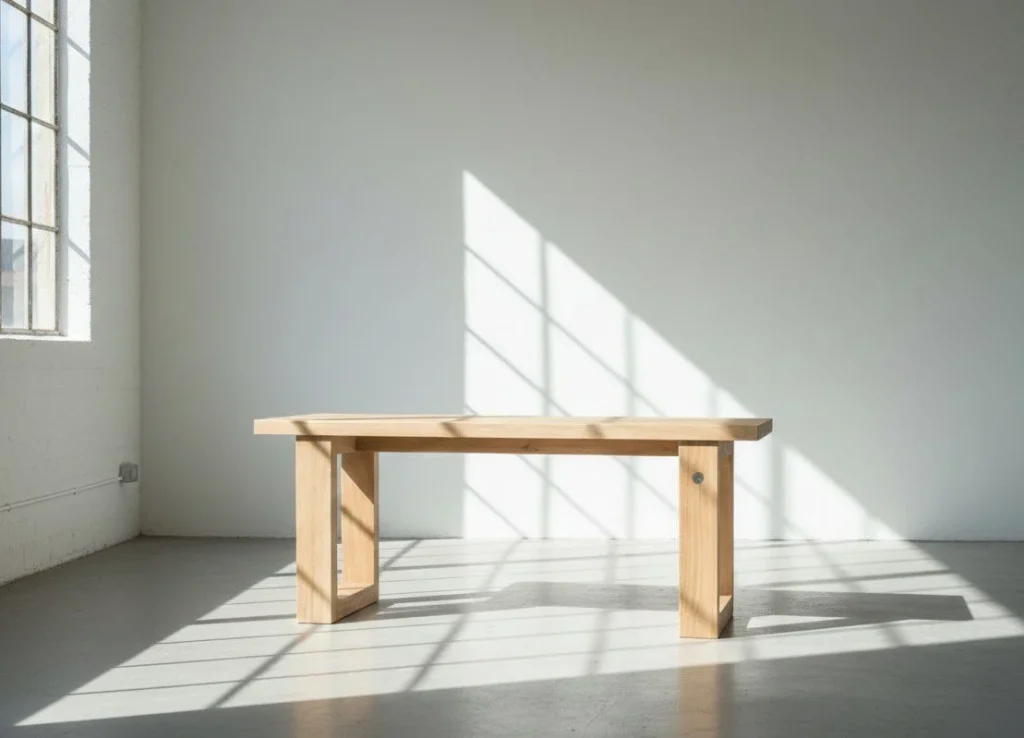
When you consider buying furniture, the price tag of a handmade piece often makes you pause. It can seem significantly more expensive than mass-produced alternatives — but what are you actually paying for? And is it truly worth it?
In this guide we’ll look at:
- What defines handmade furniture
- How it compares with factory-made pieces
- The true cost versus long-term value
- Why craftsmanship and materials matter
Whether you’re thinking about a bespoke dining table, a solid wood bench or another signature piece, understanding what you’re paying for helps you decide with clarity.
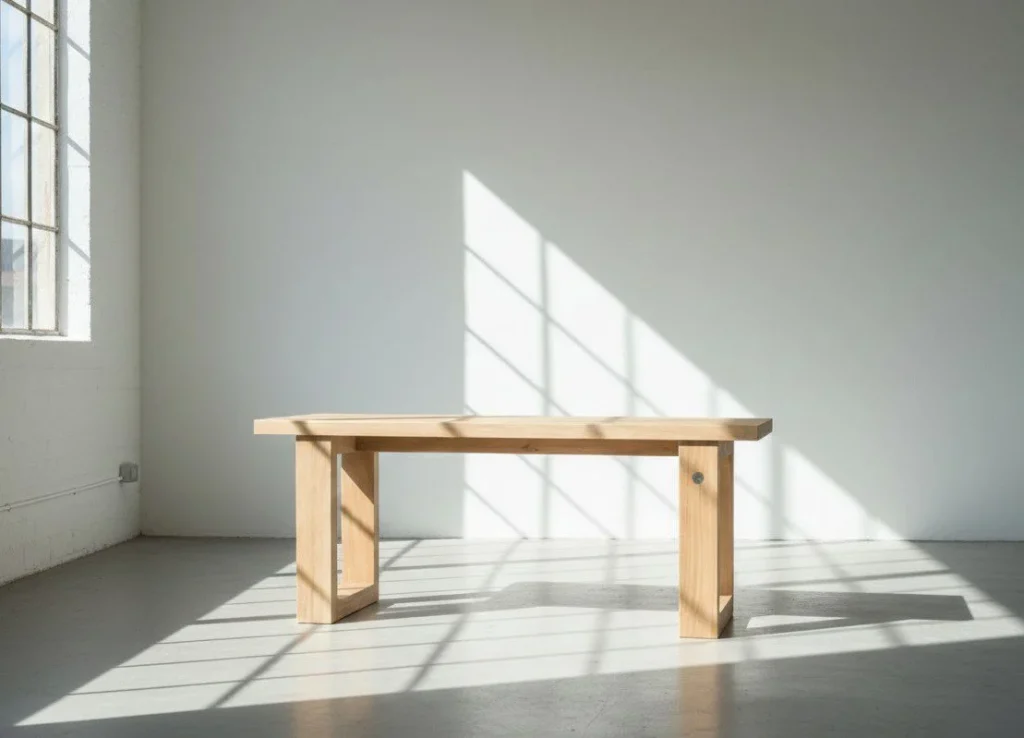
What Does “Handmade Furniture” Really Mean?
Handmade furniture is crafted by human hands, often one piece at a time, using time-honoured techniques and solid timber rather than engineered board or veneer. Each joint, surface and finish is considered and refined by an experienced maker.
Unlike factory-made furniture built for speed and volume, handmade pieces prioritise:
- Material selection
- Craftsmanship
- Durability
- Character
This craftsmanship is the first part of what you’re paying for — not just timber, but skilled time and expertise invested in every stage of making.
Why Handmade Furniture Costs More Upfront
A handmade piece often costs more — and there are good reasons for that:
1. Materials Matter
High-quality furniture starts with high-quality timber. Solid hardwoods like oak or ash selected for grain and stability cost more than particleboard or laminate alternatives.
British-grown, sustainably sourced timber not only supports responsible woodland management, it also carries natural character and strength that imported engineered materials lack. It’s one of the reasons handmade pieces hold up longer. (For more on this, see Where Does Your Furniture Really Come From?)
2. Skilled Craftsmanship Takes Time
Each handmade joint, edge and finish may take tens of hours of skilled work. That labour isn’t simply assembly — it’s expertise honed over years. This commitment to detail is part of what differentiates a handcrafted table from a mass-produced alternative.
3. Longevity Changes the Value Equation
Cheap furniture often needs replacing in just a few years. Solid wood handmade pieces can last decades or more, making them better value over time.
Some handmade furniture even becomes heirloom-quality, serving generations and accumulating stories and character along the way.
What You’re Really Paying For
When you invest in handmade furniture, your money isn’t just going toward a functional object. You’re paying for:
Material integrity — solid wood that can be repaired, refinished and maintained
Longevity — durability that outlasts trends and disposable alternatives
Character — every piece shows subtle, unique variations in grain and finish
Sustainability — reduced waste and long useful life
Craftsmanship — time, skill and care that machines can’t replicate
For many owners, furniture like this becomes part of daily life rather than something that clutters a space and wears out quickly.
Handmade Furniture vs Mass-Produced Alternatives
Here’s how handmade furniture differs from factory-made options you might see online or in big-box stores:
Material
Handmade: Solid hardwood, responsibly sourced
Mass-produced: Engineered board / veneer / composites
Construction
Handmade: Skilled joinery and hand finishing
Mass-produced: Mechanised assembly
Longevity
Handmade: Decades to generations
Mass-produced: Often <10 years
Character
Handmade: Individual grain and unique detailing
Mass-produced: Uniform and identical
This contrast explains why handmade furniture often feels more valuable both physically and emotionally.
Who Benefits Most from Handmade Furniture?
Handmade furniture is especially worth it for people who:
- Want long-term quality over short-term convenience
- Prefer solid wood and natural materials
- Care about sustainability and provenance
- Are choosing pieces used daily (e.g., dining tables, benches)
If you’re commissioning a bespoke dining table, the advantages become even clearer: a piece tailored for your space, proportions and lifestyle.
In Summary
So, is handmade furniture worth it?
Yes — if you value longevity, material integrity, craftsmanship and sustainability. Its higher upfront cost reflects quality rather than excess, and over time many owners find that their handmade pieces repay that investment through years of use and deep satisfaction.
Whether it’s a dining table built for everyday meals or a bench that becomes part of daily life, handmade furniture often feels worth it long after the purchase is made.
FAQ — Handmade Furniture Worth & Value
What makes handmade furniture different from mass-produced furniture?
Handmade furniture is crafted by skilled makers using solid materials, prioritising durability and detail, whereas mass-produced furniture tends to use engineered materials and mechanised assembly.
Is handmade furniture more expensive?
Yes, handmade furniture often costs more upfront because of higher material quality and the time invested in craftsmanship.
Does handmade furniture last longer?
Generally, yes. Solid wood handmade pieces can last decades and often become heirlooms, outperforming many factory-made alternatives.
Is handmade furniture sustainable?
When made from responsibly sourced timber and designed to last, handmade furniture is a more sustainable choice than disposable mass-produced pieces.
Should I choose handmade for a dining table?
If durability, character and fit for your space matter, a handmade table is often worth the investment. Linking to guides like How Much Does a Bespoke Dining Table Cost in the UK? and How to Commission Furniture That Truly Fits Your Home can help you plan further.
Visit our workshop in North Devon, browse our shop or contact us to talk about a custom piece that tells your story.