

Blog
How to Commission Furniture That Truly Fits Your Home — Without Designing It From Scratch
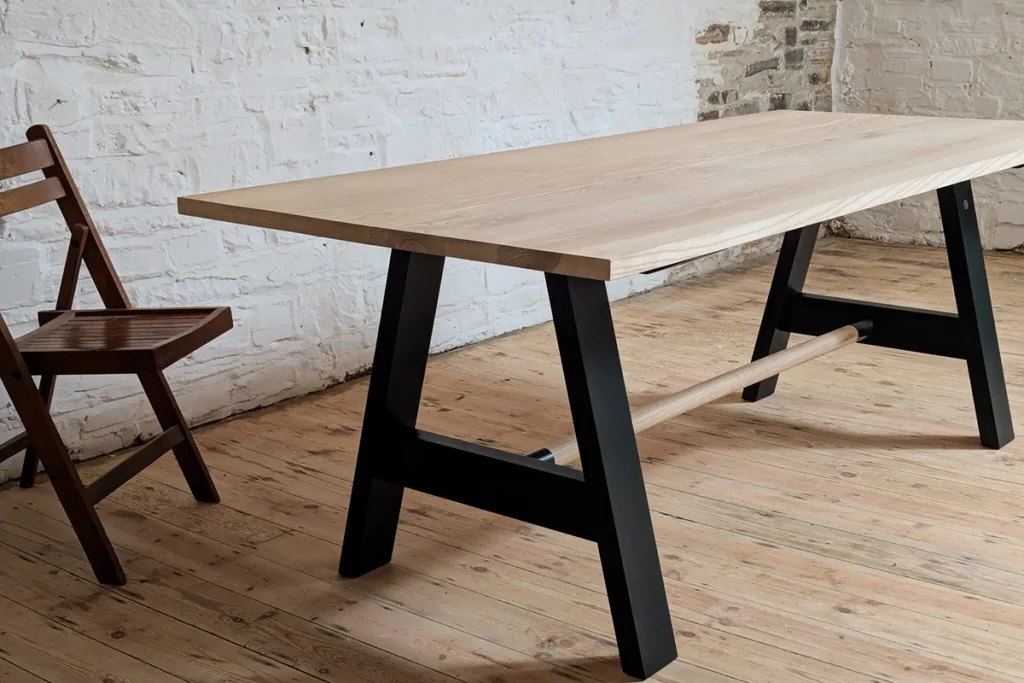
Commissioning furniture can feel like something that requires architectural drawings, technical knowledge or a fully formed vision.
In reality, it rarely does.
For most people, commissioning simply means working with a maker to create a piece that fits their home properly — without having to design it themselves. It’s a collaborative process, guided by material expertise and proportion, resulting in something that feels settled and intentional.
What Does It Mean to Commission Furniture?
Commissioning furniture means having a piece made specifically for your home, rather than selecting something from standard stock sizes. The dimensions, materials and detailing are refined through conversation with the maker, allowing the finished piece to respond to the room it will live in.
You don’t need drawings. You don’t need a finished design. You need a space, an idea of how it will be used, and a willingness to discuss what feels right.
For many of our clients, that process begins with a conversation about a bespoke dining table designed around daily life, gatherings and the proportions of the room.
How the Commissioning Process Works
While every project is different, the process of commissioning furniture usually follows a clear structure.
1. An Initial Conversation
We begin by understanding the space. Measurements, layout, natural light and how the piece will be used all inform early decisions.
2. Material Selection
Timber choice plays a central role. We work exclusively with sustainably sourced, British-grown hardwoods, selecting boards for character and durability.
3. Refining Proportions
Small adjustments in length, width or leg placement can dramatically change how a piece sits in a room. These refinements ensure the furniture feels balanced rather than imposed.
4. Crafting in the Workshop
Once agreed, the piece is built by hand in our North Devon workshop. Each board is cut, joined and finished with care.
5. Delivery and Installation
The finished piece arrives ready to live with — designed specifically for its setting.
This structure allows you to benefit from craftsmanship without needing to design the furniture yourself.
Do You Need to Provide Detailed Designs?
No. In most cases, you do not need technical drawings or a finished concept.
A skilled maker will guide the process, suggesting proportions, timber options and detailing that suit both your space and the intended use. The role of the client is not to design, but to describe how the space feels and functions.
From there, the piece evolves through collaboration.
Is Commissioned Furniture More Expensive?
Commissioned furniture typically costs more than mass-produced alternatives. That reflects the use of solid hardwood, traditional joinery and the time required to craft something properly.
Unlike factory-produced furniture, commissioned pieces are built to last decades rather than years. When viewed over time, that longevity often represents greater value.
It also allows for considered material choices — including traceable British timber — which supports responsible woodland management and reduces unnecessary transport.
How Long Does Commissioned Furniture Take?
Lead times vary depending on complexity and workshop schedule. Handcrafted furniture requires time for careful joinery, finishing and quality checks.
The process is slower than buying from stock, but that slower pace allows for precision, refinement and longevity.
Why Commission Instead of Adapting a Standard Piece?
Standard furniture often works — but it rarely fits perfectly.
Commissioning allows you to adjust subtle details:
- A slightly narrower width to suit circulation space
- A longer overhang to accommodate additional seating
- A finish tone that complements existing flooring
- A matching bench that works in proportion with the table
These are not dramatic changes, but they are meaningful ones.
In Summary
Commissioning furniture is not about designing something from scratch. It is about creating a piece that belongs in your home.
Through conversation, proportion and material knowledge, a bespoke piece becomes something considered and lasting — shaped not only by timber, but by the way you live.
FAQs About Commissioning Furniture
What does commissioning furniture involve?
Commissioning involves working with a maker to create a piece tailored to your space, selecting dimensions, materials and finishes through guided discussion rather than designing it independently.
Do I need to know exactly what I want?
No. A clear sense of the space and how the piece will be used is enough to begin the process.
Is commissioned furniture sustainable?
It can be. Choosing solid, traceable hardwood and building for longevity reduces replacement cycles and waste.
Can I commission a dining table to a specific size?
Yes. A bespoke dining table can be made to suit precise room dimensions, seating requirements and layout considerations.
Visit our workshop in North Devon, browse our shop or contact us to talk about a custom piece that tells your story.