
Blog
How Much Does a Bespoke Dining Table Cost in the UK?
It’s often the first question people ask — and understandably so.
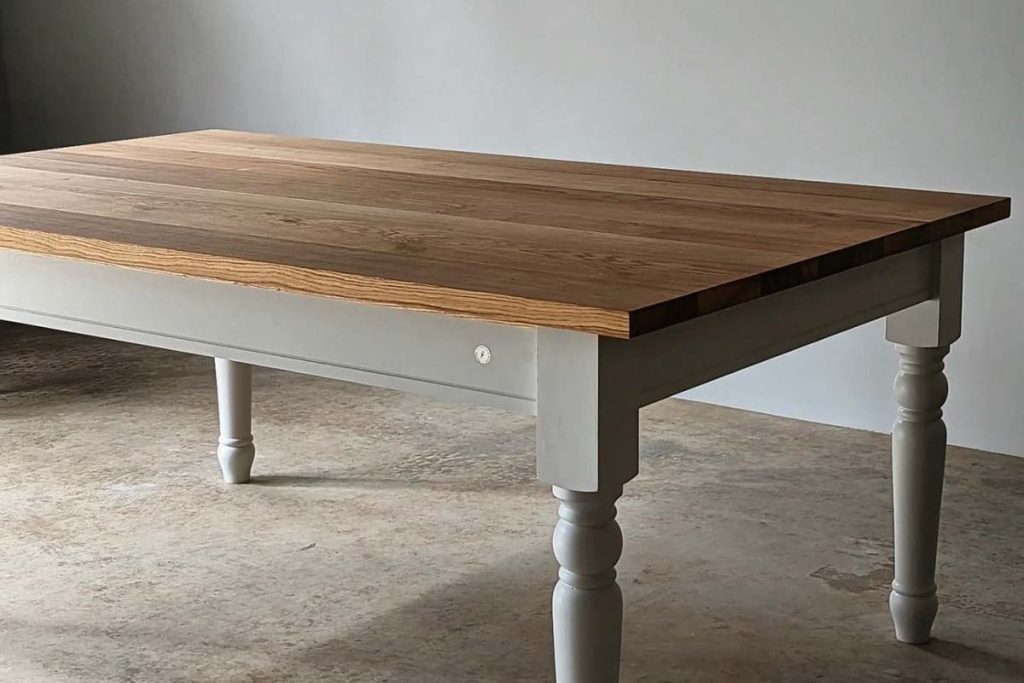
The cost of a bespoke dining table in the UK typically depends on size, timber choice, construction detail and the level of craftsmanship involved. Unlike mass-produced furniture, pricing reflects material quality, time in the workshop and longevity.
Rather than a single figure, it’s better to understand what shapes the cost — and what that investment represents.
What Is the Average Cost of a Bespoke Dining Table in the UK?
In general, a solid hardwood bespoke dining table made in the UK will reflect:
- The cost of sustainably sourced timber
- Skilled labour and traditional joinery
- Workshop time and finishing
- Delivery and installation
Prices vary widely depending on these factors, but bespoke pieces are typically positioned as long-term investments rather than short-term purchases.
If you’re comparing different hardwood options, our guide to oak or ash hardwood furniture
explores how timber choice influences both cost and character.
What Factors Affect the Cost of a Bespoke Dining Table?
Several variables influence pricing.
1. Timber Selection
Solid hardwood is the foundation of quality furniture.
British-grown, traceable timber often costs more than imported alternatives, but it offers transparency, reduced embedded miles and responsible woodland management. You can read more about this in our guide to timber provenance and sustainability.
Hardwood species such as oak, ash or walnut each carry different material costs and aesthetic qualities.
2. Size and Proportion
Larger tables require more material and structural consideration.
Length, width and thickness all influence the final cost — particularly when ensuring stability and longevity.
If you’re unsure what size works best, our commissioning guide explains how proportions are refined in practice – How to Commission Furniture That Truly Fits Your Home.
3. Construction and Craftsmanship
Traditional joinery, careful grain selection and hand-finishing require time.
Unlike factory production, bespoke furniture is crafted start to finish by a small team, often in a single workshop. That time investment is reflected in cost.
4. Finish and Detailing
Edge profiles, leg design, surface finish and matching benches all influence pricing.
If you’re exploring finish options, our article on choosing the perfect finish explains how different treatments affect both appearance and durability.
Why Is a Bespoke Dining Table More Expensive Than High Street Furniture?
Mass-produced tables are typically:
- Made in high volumes
- Constructed using imported materials
- Designed for cost efficiency
A bespoke table, by contrast:
- Is made to order
- Uses solid hardwood
- Is built to last decades
- Can be repaired and refinished
This difference is not just about cost — it’s about lifespan.
Our journal piece on investing in quality furniture explores why longevity often represents better long-term value.
In Summary
The cost of a bespoke dining table in the UK depends on material, scale and craftsmanship. While the upfront investment may be higher than standard furniture, bespoke pieces are designed for longevity, repairability and lasting presence within a home.
Understanding what influences the price helps ensure you invest with clarity.
FAQ Section
How much does a bespoke dining table cost in the UK?
Costs vary depending on size, timber and craftsmanship. Solid hardwood bespoke tables reflect material quality, skilled labour and longevity rather than mass production.
Why are bespoke dining tables expensive?
They use high-quality timber, traditional joinery and are made to order rather than produced in bulk.
Does timber choice affect the price?
Yes. Different hardwoods vary in cost depending on availability, durability and sourcing.
Is bespoke furniture better value long term?
Often yes. Bespoke furniture is built for longevity and can be repaired or refinished rather than replaced.
How long does it take to make a bespoke dining table?
Lead times typically span several weeks, depending on complexity and workshop schedule.
Visit our workshop in North Devon, browse our shop or contact us to talk about a custom piece that tells your story.
Bespoke Table FAQs
What does bespoke mean in furniture?
Bespoke furniture is made to order, designed specifically for a customer’s space, preferences and material choices rather than selected from standard stock.
How long does a bespoke dining table last?
A solid hardwood bespoke dining table can last for generations when properly maintained.
Is bespoke furniture more sustainable?
Often yes. Made-to-order pieces reduce waste, use higher quality materials and are designed for long-term use rather than replacement.
Visit our workshop in North Devon, browse our shop or contact us to talk about a custom piece that tells your story.